
Start with living soil
Loosen compacted ground and work in compost. Food crops do best in soil that drains freely but still holds enough moisture between watering.
A practical month-by-month food-gardening guide built around the warm-temperate Adelaide Plains, with the local habits that matter in South Australia: good soil, careful water use, summer heat protection and a willingness to let the weather have the final say.
Adelaide Plains baseline · adjust for your own frost, elevation, exposure and heat.
Do not plant the whole summer garden on the first warm day. Stagger sowings so harvests arrive over time rather than all at once.
The calendar helps with timing. The garden still succeeds or fails on sunlight, soil, water and how well young plants are helped through South Australian weather.
Loosen compacted ground and work in compost. Food crops do best in soil that drains freely but still holds enough moisture between watering.
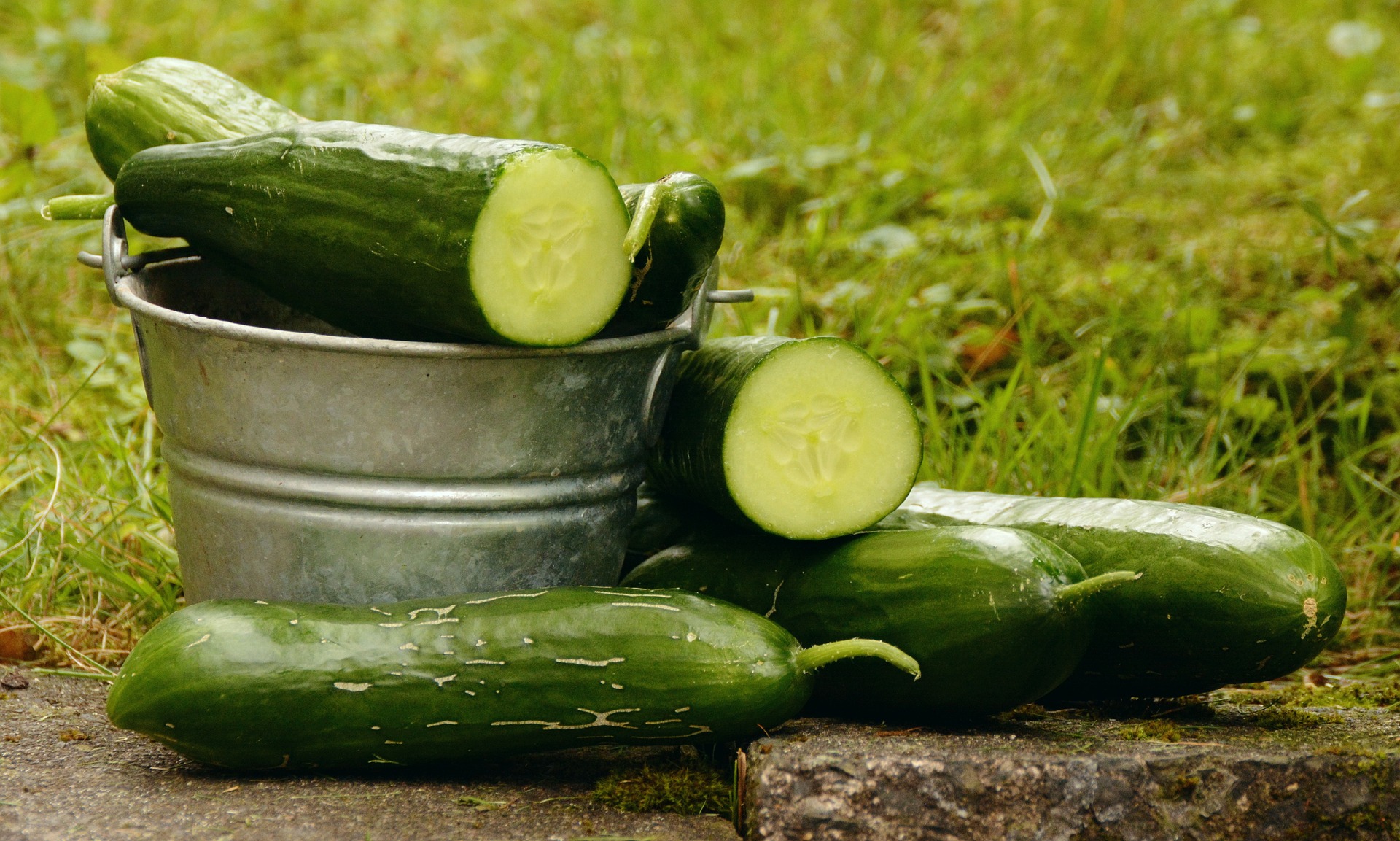
Fruiting plants such as tomatoes, eggplant and cucumber want around 8 hours of sun. Leafy greens and herbs can manage with less, but still appreciate about 6 hours.
Water in the cool of morning or early evening. In summer, mulch about 5 cm deep, keep it clear of stems and have shade cloth ready before the hottest days arrive.
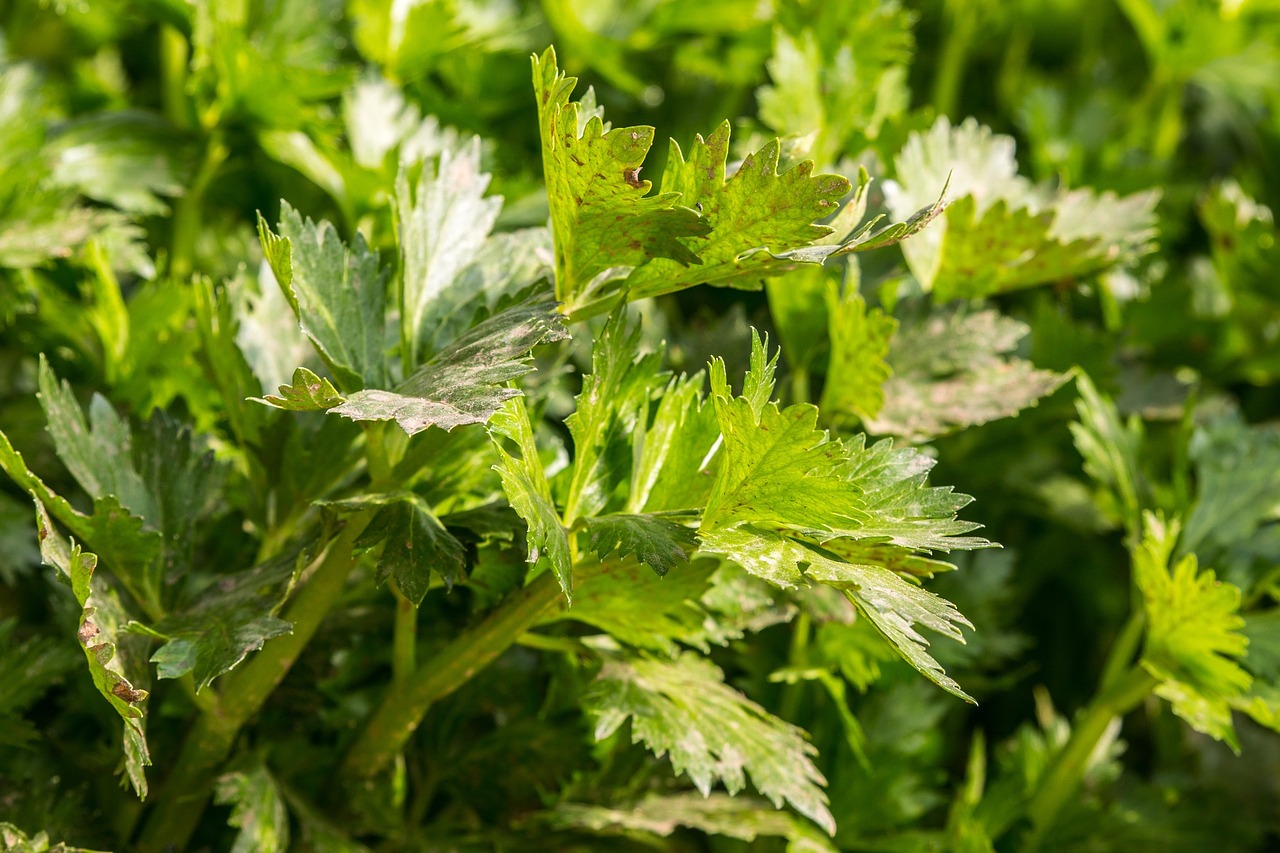
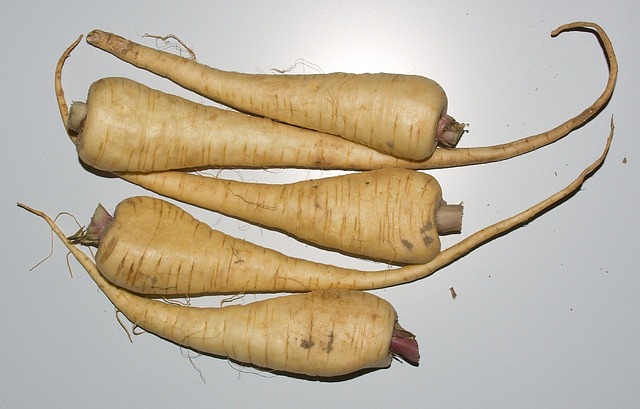
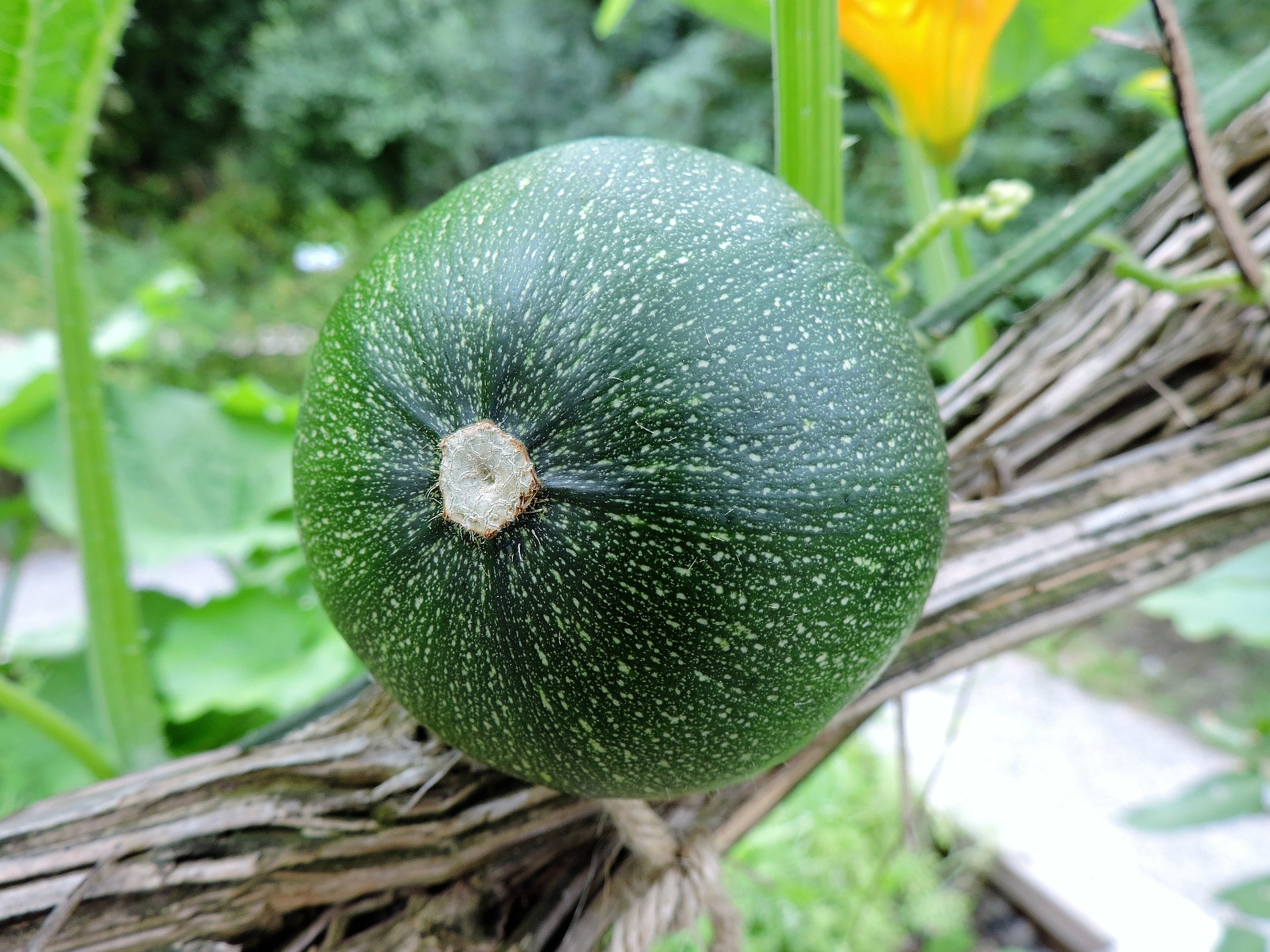
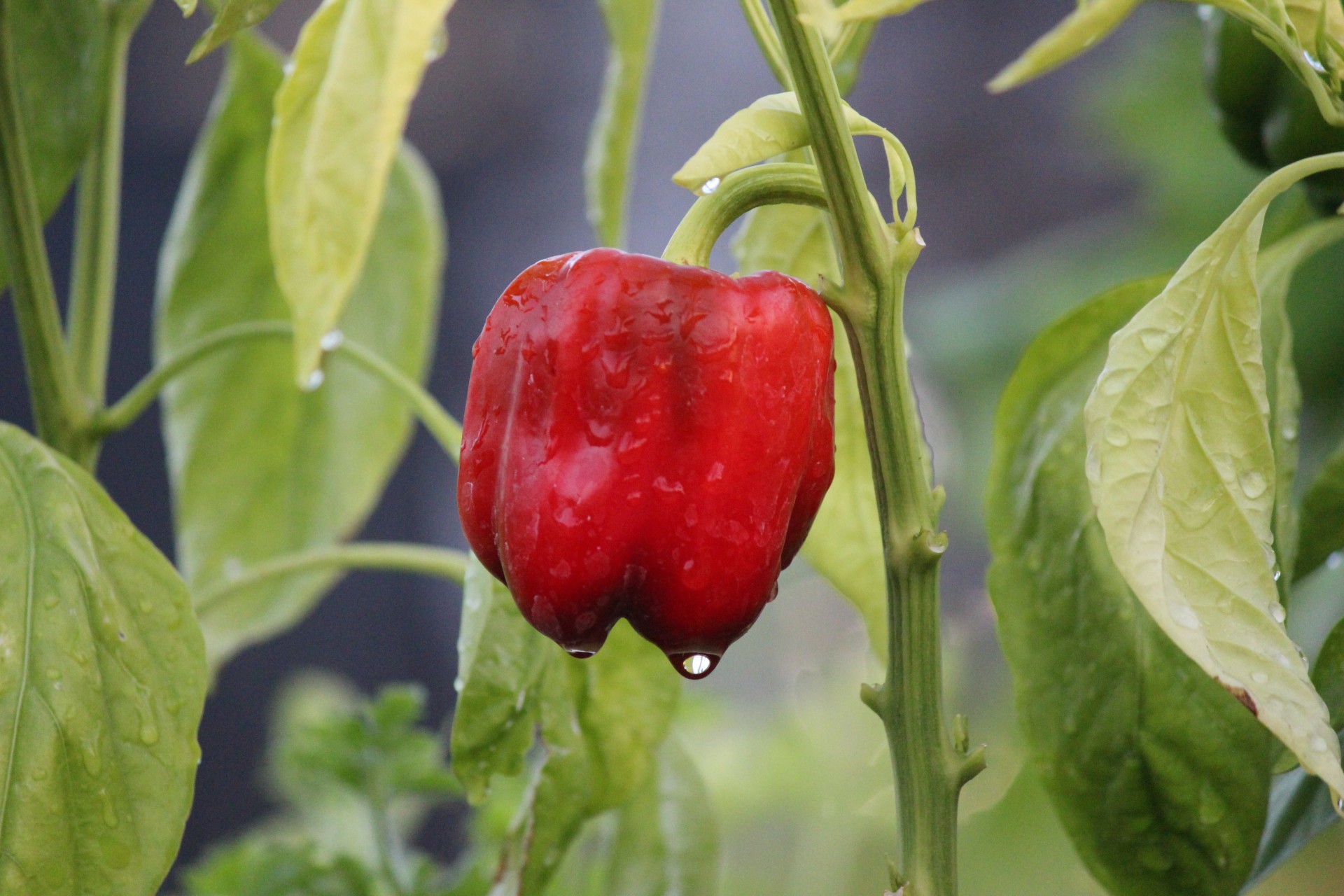
For the Adelaide Plains, these are the flexible staples Green Adelaide lists as plantable throughout the year.
Use this as a warm-temperate Adelaide Plains baseline. South Australia spans cooler and hotter growing regions, so local frost, soil temperature and heat should always override a date on the calendar.

Build the garden around heat, water and steady harvests.
Water when the soil is cool, keep mulch topped up and protect tender vegetables before forecast heatwaves rather than after damage appears.
Keep new sowings evenly moist, harvest summer crops often and give young plants protection on extreme-heat days.
Begin the autumn changeover while summer heat is still around; afternoon shade can help tender new seedlings establish.

Reset the beds and lean into the great cool-season planting window.
Refresh tired summer beds with compost before the main cool-season planting window gets underway.
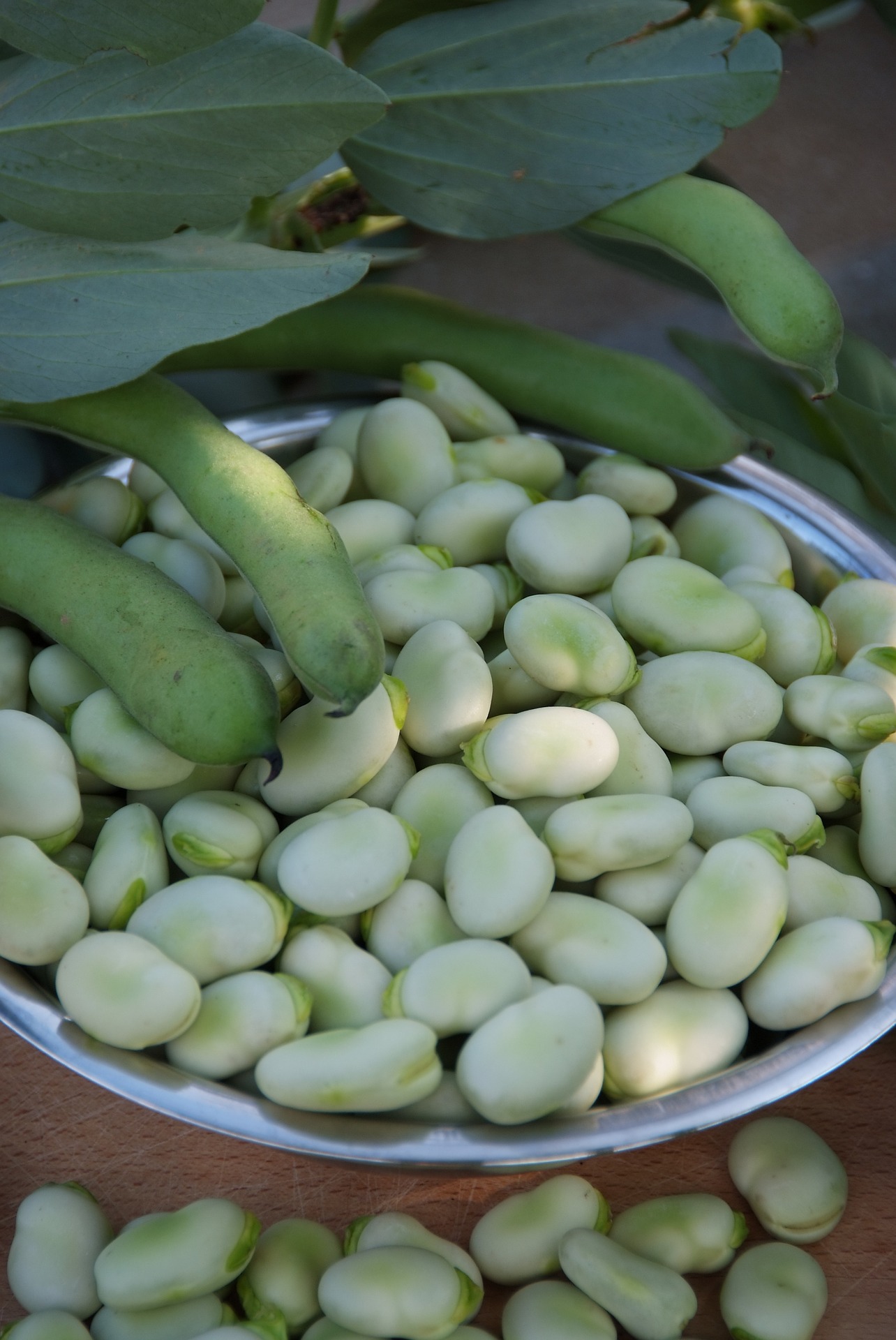
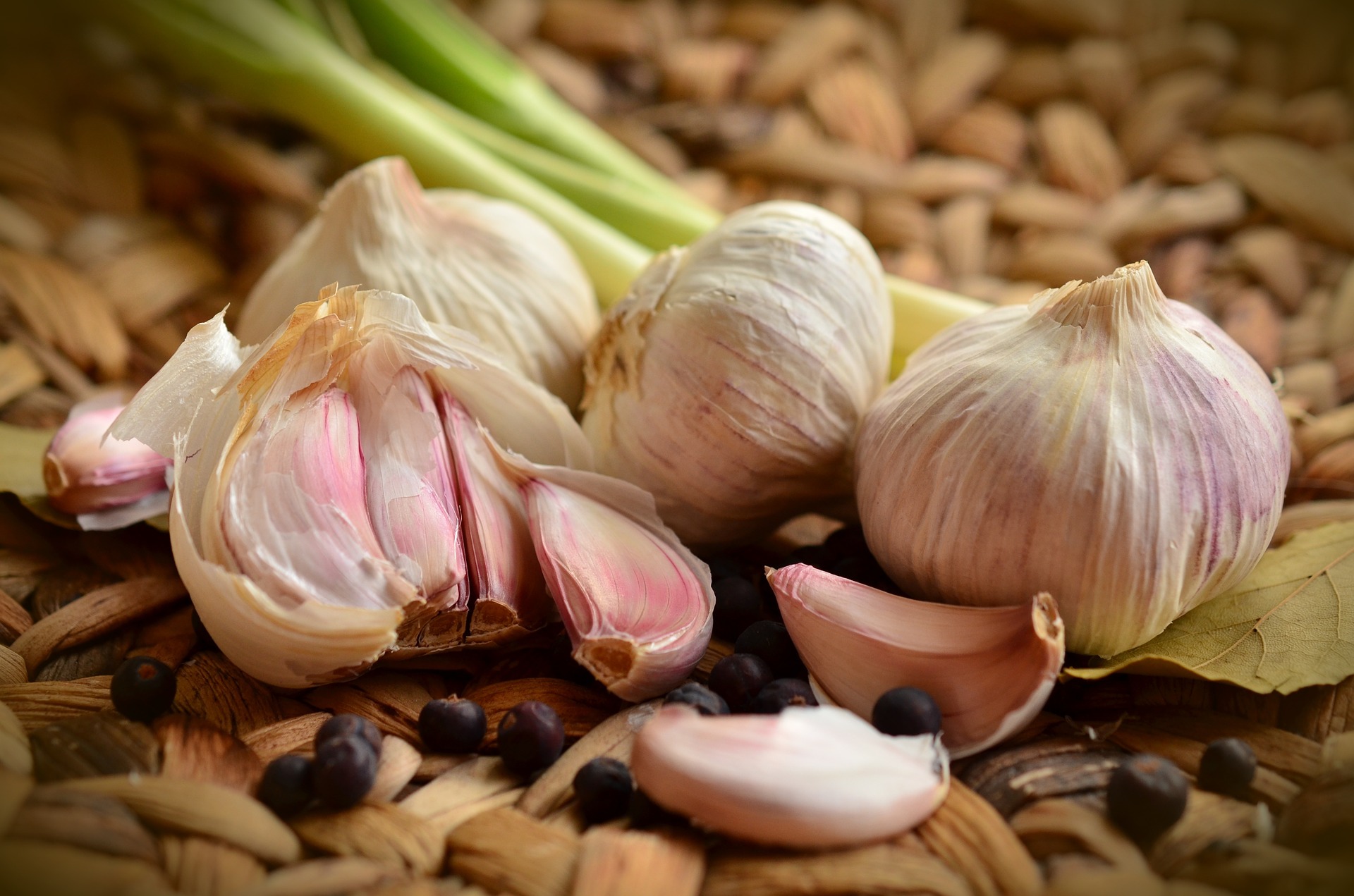
Cooler soil and autumn rain make this a generous planting month. Broad beans, peas and garlic can all find a place now.
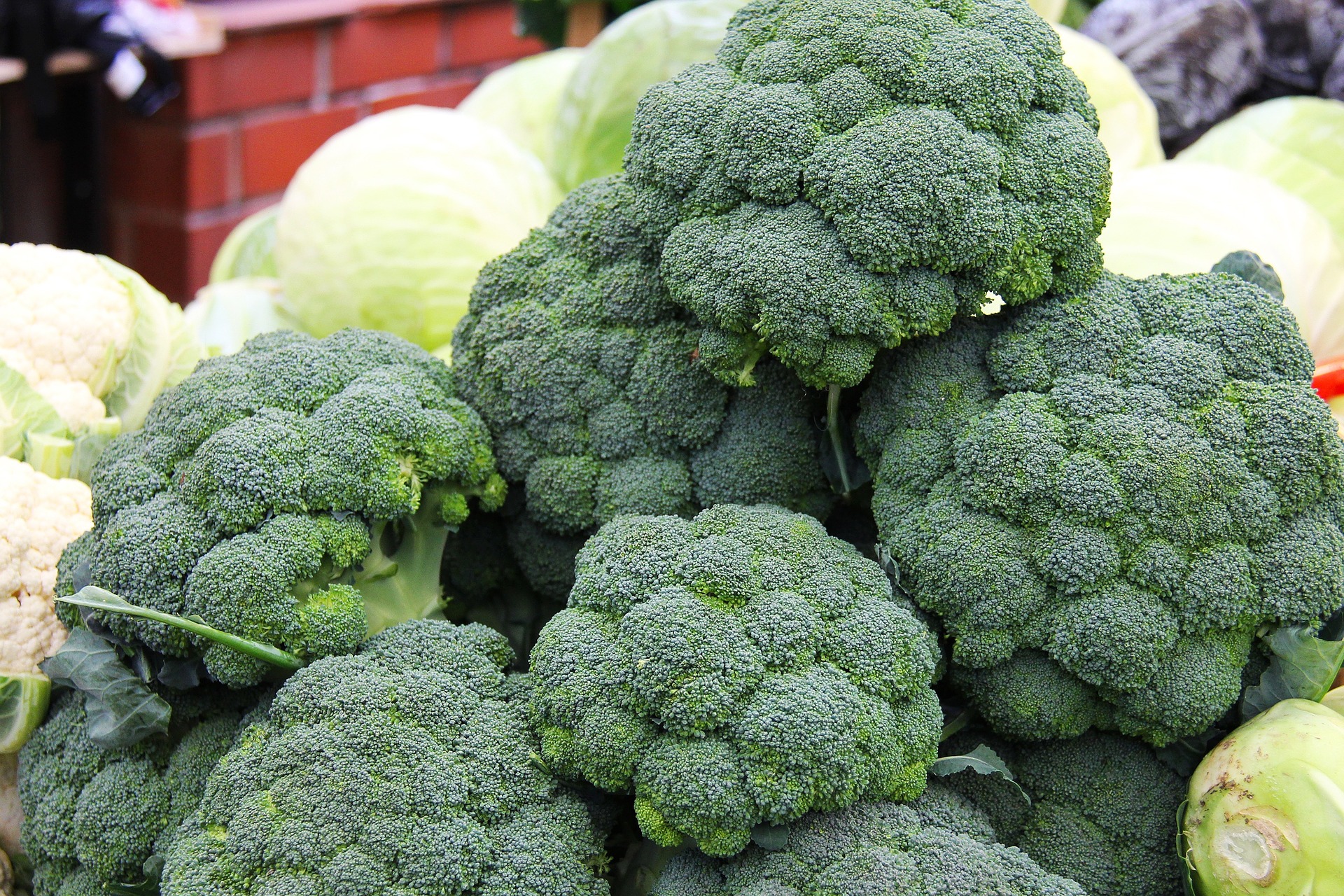
Winter beds are settling in. Keep weeds down, maintain airflow and use insect netting where brassicas need protection.

Use the softer light, cooler soil and winter rain — while watching drainage and frost.
Growth slows with shorter days, so avoid waterlogged soil and give crops the sunniest position your garden can offer.
Prepare for the spring transition, but do not assume the calendar means the cold has finished. Watch local frost and soil temperature.
Spring is close, but late cold still matters. Warm-season crops may need a protected start while cool-season beds keep producing.

Warm the garden up gradually, then build towards the summer abundance.
Do not plant the whole summer garden on the first warm day. Stagger sowings so harvests arrive over time rather than all at once.
This is prime warm-season planting on the Adelaide Plains. Set up mulch and irrigation before summer heat becomes the main job.
Succession sow quick crops and keep a close eye on moisture. Young plants can dry fast when the first hot weather arrives.
A practical rule is to sow seed about 2–3 times as deep as the seed is large. Tiny seed needs only a light covering; beans and peas can go deeper.
For crops you want over a long season, sow smaller batches every few weeks. It spreads the harvest and avoids a garden that ripens all at once.
Give nursery seedlings a few days to adjust to outdoor sun and wind before planting them out permanently, keeping their small punnets watered while they adapt.
Fine insect netting can protect brassicas from cabbage white butterfly. Fruiting crops still need access for pollinators, so use barriers thoughtfully.
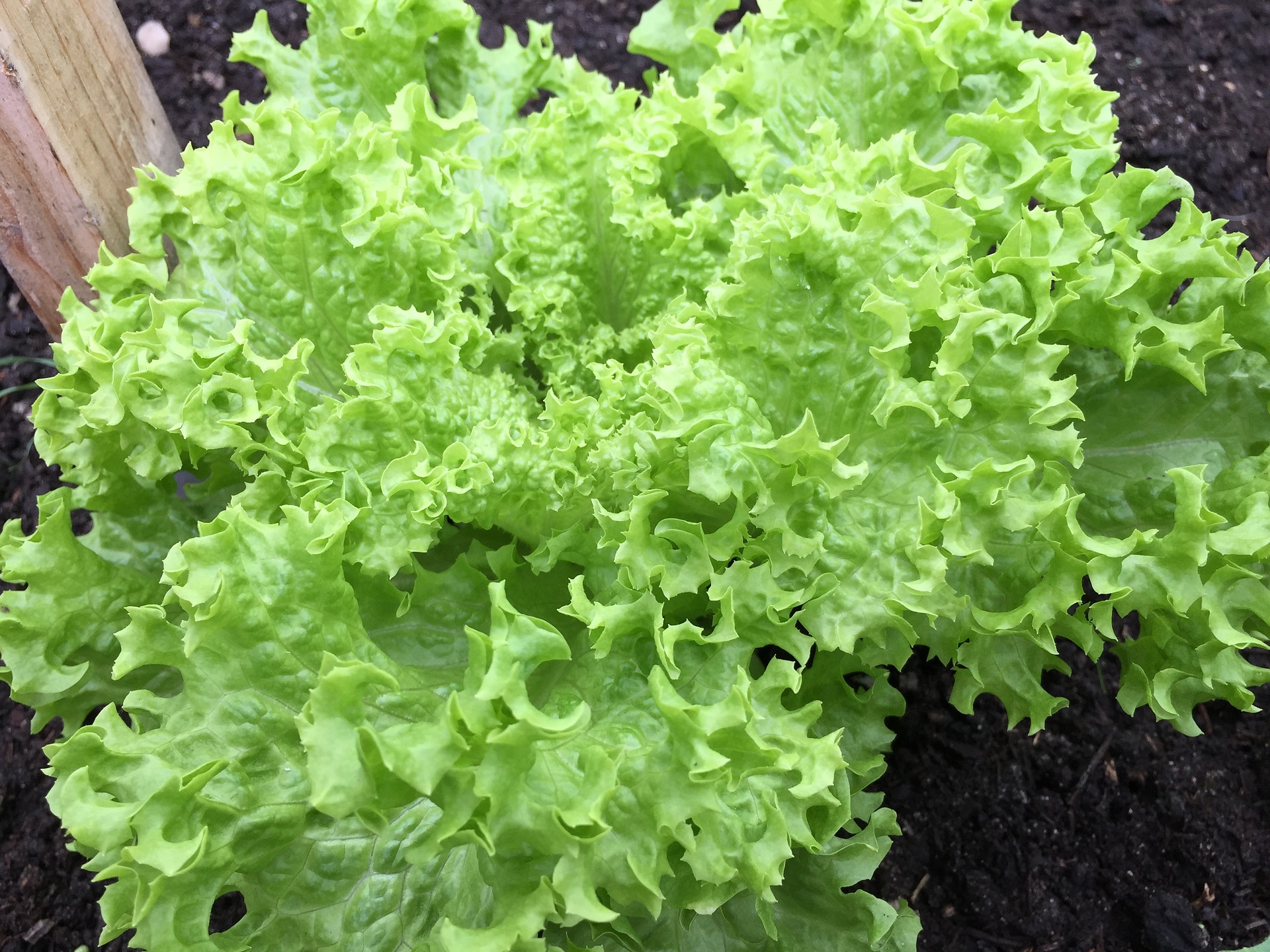
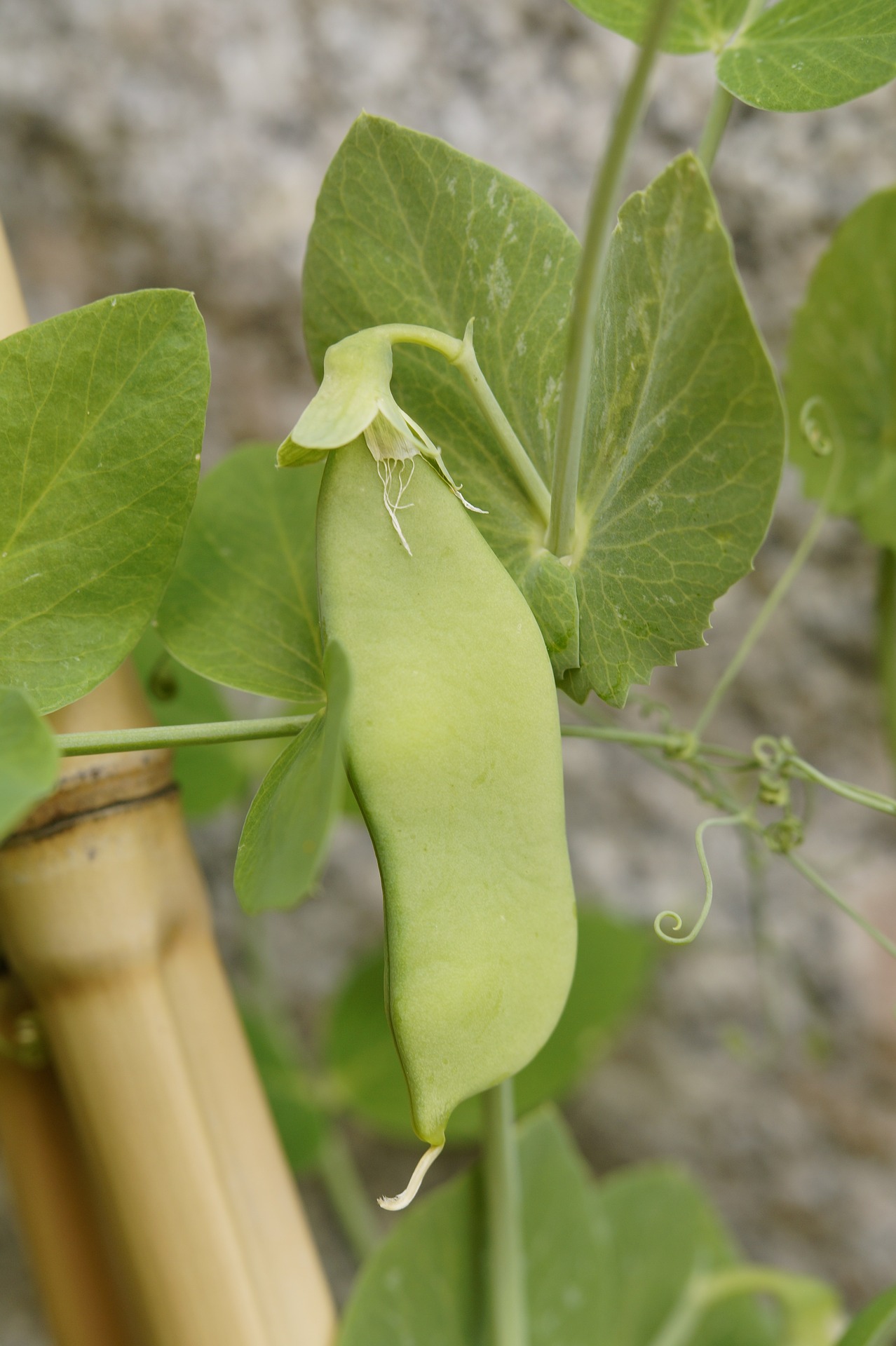
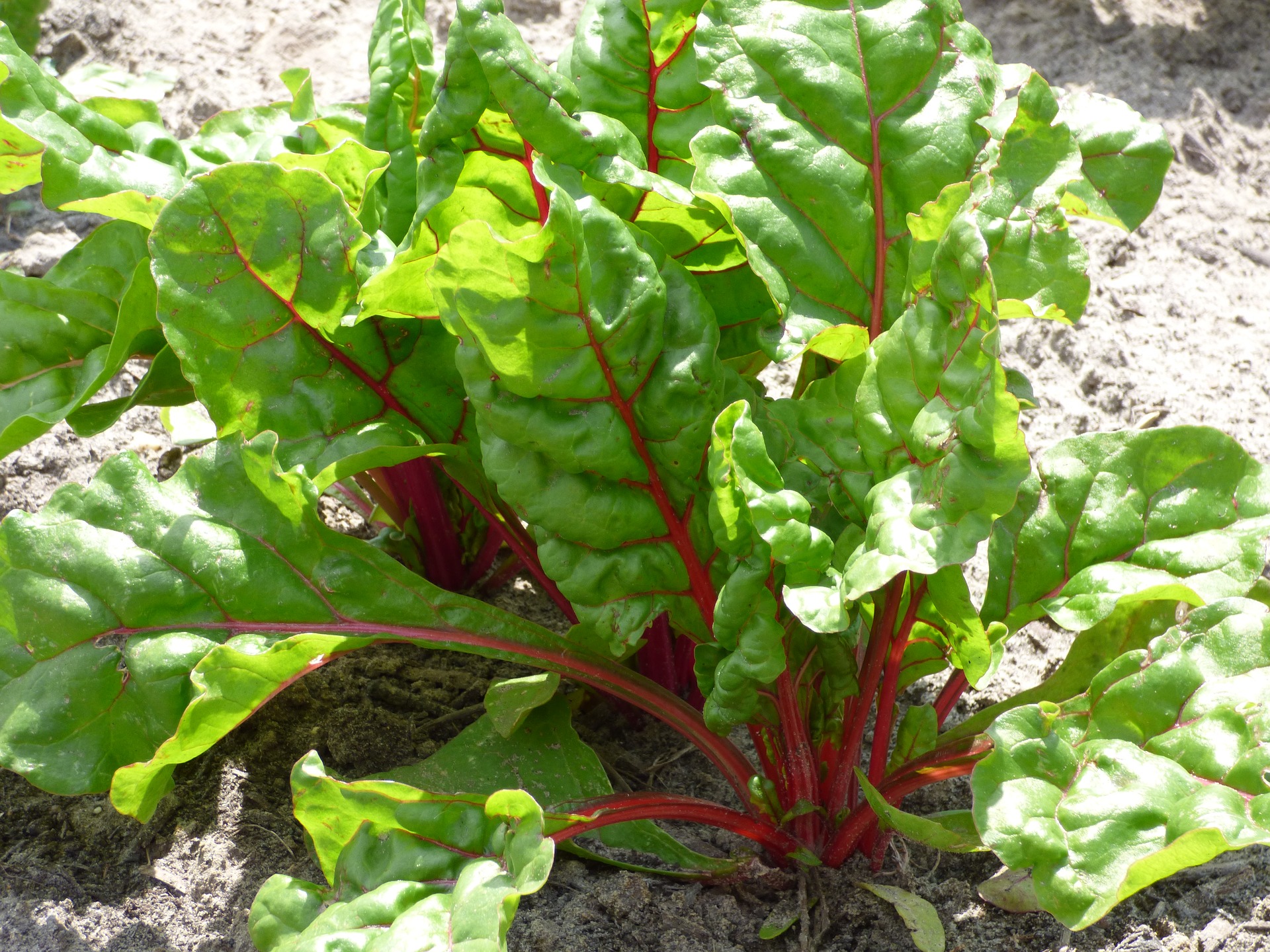
Climbing beans and peas make excellent use of vertical space. In small gardens, favour crops that can be harvested repeatedly such as herbs, lettuce, rocket and leafy greens.
Compost improves water-holding capacity, mulch reduces evaporation and wicking beds can be especially useful in Adelaide’s hot, dry climate.
Adelaide has a Mediterranean pattern of wetter winters and hot, dry summers, but the state also includes colder Adelaide Hills and South-East conditions and much hotter, drier inland regions. That is why this guide uses the Adelaide Plains as its baseline rather than pretending one date fits every garden.
Our Produce & Seasons guide follows the harvest rather than the sowing calendar — and shows how those ingredients move into a Southern Italian kitchen.
Explore Produce & SeasonsOur grandparents also watched the phases of the moon when planting, grafting and harvesting. We preserve that tradition separately from this horticultural month-by-month guide.
Read the Moon Planting GuidePlanting windows are based on Green Adelaide’s current “What to plant when” guidance for the warm-temperate Adelaide Plains, reviewed August 2026.
Our website includes information about and the sale of alcoholic products.
Please confirm you are 18 years or over to continue.
Alcohol is served or sold only to people aged 18+ in accordance with applicable liquor laws.
Join our list for the kind of updates worth opening — thoughtful, seasonal and beautifully made.
Sign up for first access to cooking experiences, seasonal releases, Southern Italian recipes and special event news.
Thoughtful updates only — no clutter, no constant noise.